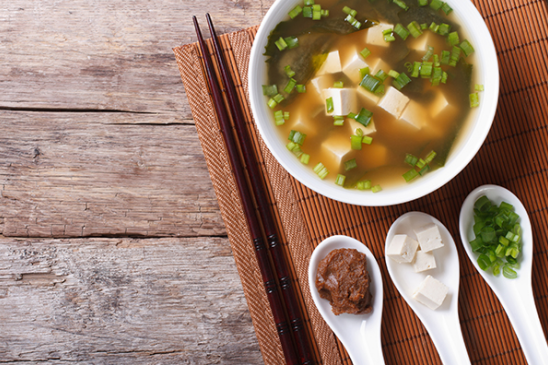
How Yumart’s Natural Fermented White & Red Miso Paste Fits The Demand For Healthy, Gluten-Free Ingredients
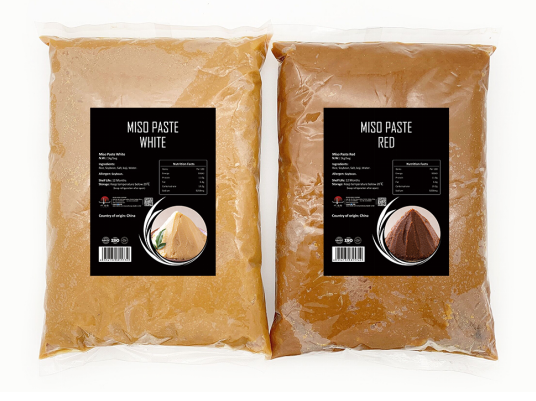
HAIDIAN, BEIJING, CHINA, January 5, 2026 /EINPresswire.com/ -- As international culinary landscapes increasingly prioritize functional nutrition and allergen-aware dining, Beijing Shipuller Co., Ltd. has highlighted its commitment to supplying traditional fermented soybean solutions. For distributors and culinary professionals looking to Buy Natural Fermented White & Red Miso Paste, the Yumart brand offers a versatile seasoning crafted through a multi-stage biological aging process. White miso (Shiro Miso) is fermented for a shorter duration with a higher proportion of rice or barley, resulting in a mild, slightly sweet profile, whereas Red miso (Aka Miso) undergoes a longer fermentation that yields a robust, salty, and deep umami flavor. Both varieties are produced from non-GMO soybeans and are naturally gluten-free, serving as a clean-label alternative to chemically enhanced seasonings. These products are formulated to retain the enzymatic integrity and probiotic potential inherent in traditional koji-based fermentation, meeting the specific dietary requirements of modern health-conscious consumers and professional kitchens in 97 countries worldwide.
Part I: Industry Context—The Global Trajectory of Fermented Superfoods
The global market for fermented condiments is currently entering a phase of structural growth, driven by a fundamental shift in consumer behavior toward gut health and preventive nutrition. Market valuations for the miso paste sector are projected to grow from approximately USD 1.17 billion in 2025 to over USD 1.75 billion by 2035, maintaining a steady compound annual growth rate (CAGR) of 4.1%. This expansion is largely attributed to the rising integration of East Asian culinary staples into Western diets and the increasing prevalence of plant-based lifestyles.
The Probiotic and Umami Convergence
The modern food industry is currently prioritizing ingredients that offer both complex flavor profiles and functional benefits. Fermented foods like miso are at the forefront of this movement due to their rich content of beneficial bacteria, such as Aspergillus oryzae and various lactic acid bacteria. These microorganisms are essential for maintaining a balanced gut microbiome, which is increasingly linked to immune support and overall metabolic health. Furthermore, as food manufacturers move away from artificial flavor enhancers like MSG, natural umami sources like red and white miso have become strategic tools for achieving savory depth in clean-label formulations.
Allergen Sensitivity and Regulatory Standards
The demand for gluten-free ingredients has transitioned from a niche medical requirement to a mainstream lifestyle choice. The global gluten-free products market is expected to reach a valuation of USD 13.67 billion by 2030. In this context, naturally fermented miso paste—which can be produced using rice or purely soybeans—serves as a critical, safe alternative for individuals with celiac disease or gluten intolerance. As international food safety authorities implement stricter labeling regulations, the emphasis on verified, non-GMO, and additive-free fermented products has become a primary driver for procurement teams in North America, Europe, and the Middle East.
Strategic Sustainability and Plant-Based Growth
As the global food system shifts toward sustainable protein sources, soybean-based products like miso are gaining traction as essential pillars of the "Plant-Forward" movement. Miso provides a high-protein, nutrient-dense base for a variety of vegan and vegetarian applications, ranging from meatless marinades to dairy-free dressings. The sustainability of soybean cultivation, combined with the low-energy requirements of traditional fermentation, aligns with the Corporate Social Responsibility (CSR) goals of many international food distributors who are seeking to reduce their environmental footprint while maintaining high nutritional standards.
Part II: Institutional Excellence and Strategic Global Supply
Beijing Shipuller Co., Ltd., established in 2004, has spent over two decades building a specialized operational framework dedicated to bringing original Oriental tastes to a worldwide audience. The company’s logistical and manufacturing capacity is anchored by 9 specialized manufacturing bases in China and a long-term partnership network with over 280 raw material suppliers, enabling the export of more than 278 distinct product types across the globe.
Quality Assurance and Global Compliance
The organization’s ability to serve as a trusted companion for global food businesses is rooted in its rigorous adherence to international quality management systems.
Comprehensive Certification: All Yumart miso products and manufacturing facilities operate under ISO, HACCP, BRC, Halal, and Kosher standards. These certifications facilitate seamless entry into diverse regional markets, ensuring that products meet various cultural and religious dietary laws.
Research and Development: With dedicated R&D teams specialized in sauces, noodles, and coating systems, the organization provides what is termed a "Magic Solution" for clients. This allows for the customization of miso specifications—including color intensity, salt content, and viscosity—to align with localized consumer palates.
One-Stop Procurement: By offering a diverse portfolio of Asian staples, the company enables distributors to consolidate multiple product categories—such as miso, soy sauce, seaweed, and panko—into a single LCL (Less than Container Load) shipment, significantly reducing inventory risk and logistical complexity.
Product Applications and Market Integration
The Yumart White and Red Miso line is engineered for high performance across several tiers of the food industry:
Professional Food Service (HORECA): Executive chefs in Japanese restaurants and fusion dining establishments utilize the 1kg and 20kg bulk formats for consistent soup bases, marinades for meats and seafood, and complex salad dressings.
Industrial Manufacturing: Food processors integrate concentrated miso paste as a natural coloring and flavor-stabilizing agent in ready-to-eat meals, instant noodle seasonings, and savory snacks.
Retail Distribution: For the consumer market, the brand offers retail packaging designed to maintain freshness and appeal to shoppers seeking authentic, non-GMO fermented ingredients on supermarket shelves.
Specialized Dehydrated Formats: In addition to pastes, the organization provides miso powder, which is utilized by spice blenders and snack food manufacturers who require a dry, shelf-stable umami flavor enhancer for seasoning mixes.
Global Partnership Network and Professional Engagement
By the end of 2023, the organization had established business relationships in 100 countries. Through participation in more than 13 major trade forums annually—including the Canton Fair, Gulfood, Anuga, and SIAL—the company ensures its product development reflects real-time feedback from global culinary professionals. This proactive engagement allows the organization to anticipate shifts in flavor preferences, such as the growing demand for low-sodium miso variants in Western Europe or spicy miso blends in Southeast Asia. The company's commitment to sourcing raw materials from unpolluted planting bases ensures that the final product remains natural and delicious, supporting its mission to be a trusted companion in bringing the exquisite flavors of Asia to the global plate.
Conclusion
As the global appetite for authentic and certified Asian ingredients matures, the role of a reliable, high-capacity supply partner becomes essential. Beijing Shipuller Co., Ltd. remains committed to leveraging its extensive manufacturing network and R&D expertise to deliver consistent, high-performance seasonings. Through the Yumart brand, the organization continues to bridge the gap between traditional fermentation craftsmanship and the future of global food manufacturing, ensuring that high-quality Asian flavors are accessible to kitchens and factories worldwide. From the initial selection of non-GMO soybeans to the final delivery in 97 countries, the dedication to original taste and safety remains the cornerstone of its international operations. By maintaining a balance between tradition and innovation, the company continues to foster a deeper global appreciation for the complex, healthy, and versatile nature of fermented soy products.
For detailed product specifications, international certifications, or to request customized distribution solutions, please visit the official corporate website: https://www.yumartfood.com/
Part I: Industry Context—The Global Trajectory of Fermented Superfoods
The global market for fermented condiments is currently entering a phase of structural growth, driven by a fundamental shift in consumer behavior toward gut health and preventive nutrition. Market valuations for the miso paste sector are projected to grow from approximately USD 1.17 billion in 2025 to over USD 1.75 billion by 2035, maintaining a steady compound annual growth rate (CAGR) of 4.1%. This expansion is largely attributed to the rising integration of East Asian culinary staples into Western diets and the increasing prevalence of plant-based lifestyles.
The Probiotic and Umami Convergence
The modern food industry is currently prioritizing ingredients that offer both complex flavor profiles and functional benefits. Fermented foods like miso are at the forefront of this movement due to their rich content of beneficial bacteria, such as Aspergillus oryzae and various lactic acid bacteria. These microorganisms are essential for maintaining a balanced gut microbiome, which is increasingly linked to immune support and overall metabolic health. Furthermore, as food manufacturers move away from artificial flavor enhancers like MSG, natural umami sources like red and white miso have become strategic tools for achieving savory depth in clean-label formulations.
Allergen Sensitivity and Regulatory Standards
The demand for gluten-free ingredients has transitioned from a niche medical requirement to a mainstream lifestyle choice. The global gluten-free products market is expected to reach a valuation of USD 13.67 billion by 2030. In this context, naturally fermented miso paste—which can be produced using rice or purely soybeans—serves as a critical, safe alternative for individuals with celiac disease or gluten intolerance. As international food safety authorities implement stricter labeling regulations, the emphasis on verified, non-GMO, and additive-free fermented products has become a primary driver for procurement teams in North America, Europe, and the Middle East.
Strategic Sustainability and Plant-Based Growth
As the global food system shifts toward sustainable protein sources, soybean-based products like miso are gaining traction as essential pillars of the "Plant-Forward" movement. Miso provides a high-protein, nutrient-dense base for a variety of vegan and vegetarian applications, ranging from meatless marinades to dairy-free dressings. The sustainability of soybean cultivation, combined with the low-energy requirements of traditional fermentation, aligns with the Corporate Social Responsibility (CSR) goals of many international food distributors who are seeking to reduce their environmental footprint while maintaining high nutritional standards.
Part II: Institutional Excellence and Strategic Global Supply
Beijing Shipuller Co., Ltd., established in 2004, has spent over two decades building a specialized operational framework dedicated to bringing original Oriental tastes to a worldwide audience. The company’s logistical and manufacturing capacity is anchored by 9 specialized manufacturing bases in China and a long-term partnership network with over 280 raw material suppliers, enabling the export of more than 278 distinct product types across the globe.
Quality Assurance and Global Compliance
The organization’s ability to serve as a trusted companion for global food businesses is rooted in its rigorous adherence to international quality management systems.
Comprehensive Certification: All Yumart miso products and manufacturing facilities operate under ISO, HACCP, BRC, Halal, and Kosher standards. These certifications facilitate seamless entry into diverse regional markets, ensuring that products meet various cultural and religious dietary laws.
Research and Development: With dedicated R&D teams specialized in sauces, noodles, and coating systems, the organization provides what is termed a "Magic Solution" for clients. This allows for the customization of miso specifications—including color intensity, salt content, and viscosity—to align with localized consumer palates.
One-Stop Procurement: By offering a diverse portfolio of Asian staples, the company enables distributors to consolidate multiple product categories—such as miso, soy sauce, seaweed, and panko—into a single LCL (Less than Container Load) shipment, significantly reducing inventory risk and logistical complexity.
Product Applications and Market Integration
The Yumart White and Red Miso line is engineered for high performance across several tiers of the food industry:
Professional Food Service (HORECA): Executive chefs in Japanese restaurants and fusion dining establishments utilize the 1kg and 20kg bulk formats for consistent soup bases, marinades for meats and seafood, and complex salad dressings.
Industrial Manufacturing: Food processors integrate concentrated miso paste as a natural coloring and flavor-stabilizing agent in ready-to-eat meals, instant noodle seasonings, and savory snacks.
Retail Distribution: For the consumer market, the brand offers retail packaging designed to maintain freshness and appeal to shoppers seeking authentic, non-GMO fermented ingredients on supermarket shelves.
Specialized Dehydrated Formats: In addition to pastes, the organization provides miso powder, which is utilized by spice blenders and snack food manufacturers who require a dry, shelf-stable umami flavor enhancer for seasoning mixes.
Global Partnership Network and Professional Engagement
By the end of 2023, the organization had established business relationships in 100 countries. Through participation in more than 13 major trade forums annually—including the Canton Fair, Gulfood, Anuga, and SIAL—the company ensures its product development reflects real-time feedback from global culinary professionals. This proactive engagement allows the organization to anticipate shifts in flavor preferences, such as the growing demand for low-sodium miso variants in Western Europe or spicy miso blends in Southeast Asia. The company's commitment to sourcing raw materials from unpolluted planting bases ensures that the final product remains natural and delicious, supporting its mission to be a trusted companion in bringing the exquisite flavors of Asia to the global plate.
Conclusion
As the global appetite for authentic and certified Asian ingredients matures, the role of a reliable, high-capacity supply partner becomes essential. Beijing Shipuller Co., Ltd. remains committed to leveraging its extensive manufacturing network and R&D expertise to deliver consistent, high-performance seasonings. Through the Yumart brand, the organization continues to bridge the gap between traditional fermentation craftsmanship and the future of global food manufacturing, ensuring that high-quality Asian flavors are accessible to kitchens and factories worldwide. From the initial selection of non-GMO soybeans to the final delivery in 97 countries, the dedication to original taste and safety remains the cornerstone of its international operations. By maintaining a balance between tradition and innovation, the company continues to foster a deeper global appreciation for the complex, healthy, and versatile nature of fermented soy products.
For detailed product specifications, international certifications, or to request customized distribution solutions, please visit the official corporate website: https://www.yumartfood.com/
Beijing Shipuller Co., LTD
+86 10 62969035
info@yumartfood.com
Legal Disclaimer:
EIN Presswire provides this news content "as is" without warranty of any kind. We do not accept any responsibility or liability for the accuracy, content, images, videos, licenses, completeness, legality, or reliability of the information contained in this article. If you have any complaints or copyright issues related to this article, kindly contact the author above.